Outlet vs Full Price: Are Coach, Michael Kors and Tory Burch Outlet Bags Real?
Outlet bags are genuine, but most were never sold at full price. What "made for outlet" means, how Coach, Michael Kors and Tory Burch outlets differ from their boutiques, and how to tell which one you're holding.
In this article (24)
- The short answer
- What an outlet store was, and what it became
- Why governments started asking questions
- Coach and Coach Outlet
- Michael Kors and its outlets
- Tory Burch and its outlets
- Kate Spade, a useful comparison
- Off-price stores: TJ Maxx, Marshalls and Nordstrom Rack
- Grey market and parallel imports
- Factory rejects and seconds: why they don't flood the market
- Coach (Re)Loved: the official second life
- A worked example: does the "outlet" price make sense?
- Outlet vs full price, side by side
- How to tell whether a bag is outlet or full price
- Is an outlet bag worth it?
- Why outlet prices feel so good
- If you're shopping at an outlet yourself
- Spotting a copy that's sold as "outlet"
- Buying "outlet" bags in Pakistan
- What we sell, and why
- Your options in Pakistan, compared
- A quick checklist before you buy
- Frequently asked questions
- Sources
"Is it original or outlet?" It's one of the most common questions about designer bags in Pakistan, usually asked by someone who has been offered a Coach, Michael Kors or Tory Burch bag at a price that seems too good, with the explanation that "it's from the outlet". The question hides a misunderstanding, because outlet and original are not opposites. An outlet bag from Coach Outlet is an original Coach bag. But in most cases it is not the same bag you'd find in a Coach boutique, and it was never meant to be.
This guide explains the difference honestly: what outlet stores really sell, what "made for outlet" means, how Coach, Michael Kors and Tory Burch each handle their outlets, how to tell an outlet bag from a full-price one, and when an outlet bag is a perfectly good buy. We'll finish with the questions to ask when someone in Pakistan offers you an "outlet" bag, because that word is also the favourite cover story of people selling copies.
The short answer
Yes, outlet bags from official Coach, Michael Kors and Tory Burch outlet stores are real. They're made by, or for, the brand, they carry its name legally and they're sold through its own outlet stores and websites.
But most of them are made specifically for the outlet, not left over from the boutiques. Retail analysts have estimated that 80 to 85 percent of the goods in outlet stores are produced for those stores. They're usually simpler designs, with fewer details and, often, different materials, sold at a lower price.
So the real question isn't "real or fake". It's "full-price line or made-for-outlet line?" Both are genuine; they're simply different products at different levels.
What an outlet store was, and what it became
The first factory outlets were exactly what the name suggests: a shop at the factory where a manufacturer sold its seconds, its overruns and its leftover stock to local people at a discount. You might find a bag with a small flaw in the leather, a colour that didn't sell, or last season's design. The discount was real because the bag was the same one sold at full price elsewhere.
That model grew into the outlet malls of America from the 1970s onwards, clusters of brand-name outlet stores on the edges of cities and along highways. As they grew, a problem appeared: there weren't enough genuine leftovers to fill hundreds of stores year-round. Brands solved it by designing and manufacturing products specifically for their outlet stores. Those products could be made to a lower cost, so they could be sold at "outlet prices" profitably, all year, in large quantities.
Today, true leftovers are a small part of what most outlets sell. Consumer investigations have found only a few percent of outlet merchandise to be returned or genuinely unsold items. The rest is made-for-outlet. That isn't a secret conspiracy; brands say so when asked. But it's rarely explained on the shop floor, and almost never explained by people reselling outlet goods abroad.
Why governments started asking questions
The made-for-outlet model became controversial in the United States because of how it was priced. Outlet price tags often showed a high "compare at", "retail" or "suggested retail price" next to a lower outlet price, suggesting a big discount. But if the bag was made for the outlet, it had never been sold at that higher price anywhere.
On 30 January 2014, three US senators (Sheldon Whitehouse, Richard Blumenthal and Ed Markey) and Congresswoman Anna Eshoo wrote to the Federal Trade Commission asking it to investigate. Their letter cited analysts' estimates that upwards of 85 percent of outlet-store merchandise was made exclusively for outlets, often at lower quality, and pointed out that a "retail price" on a made-for-outlet product is impossible to substantiate.
The pressure had consequences. Michael Kors, as we'll see below, settled a class action over exactly this kind of price tag. Other brands changed their tags from "retail price" to vaguer words like "value" or stopped printing reference prices.
For you, the lesson is simple: an outlet discount is often a discount against a price the bag never had. That doesn't make the bag bad; it just means the saving may be smaller than it looks.
Coach and Coach Outlet
Coach is the brand most people mean when they talk about outlet bags, because Coach Outlet is one of the largest outlet businesses in fashion. Coach runs outlet stores in many countries and a separate outlet website, alongside its full-price Coach boutiques and coach.com.
What Coach says
When asked directly, Coach has confirmed that it sells "manufactured-for-outlet product in addition to discontinued inventory" in its outlet stores, and that "our outlet product, as noted, tends to be less embellished." In a consumer comparison of a full-price Coach bag and its outlet cousin, the full-price version had heavier embossed leather and a rounded top handle; the outlet version was a decent bag with fewer fine details and a flat handle.
That is the honest summary. Coach Outlet bags are real Coach, made to Coach's standards for that product line, but they're a simpler line, built to a lower price.
How Coach outlet bags differ
Collectors and authenticators who look at hundreds of Coach bags describe a consistent pattern. Not every outlet bag shows every sign, but these are the usual differences:
- Designs. Outlet bags are mostly their own styles, with their own names. Some are simplified versions of boutique favourites; others never existed in the boutiques at all.
- Materials. Outlet lines lean on Signature canvas, crossgrain and other textured leathers that are hard-wearing and cheaper to produce, with less use of glovetanned or finer leathers.
- Details. Fewer hand-finished touches: flat rather than rolled handles, simpler linings, less complex hardware, fewer interior pockets.
- Logos. Consumers' Checkbook, a US consumer group, noted a coding difference: outlet bags it examined carried a raised "COACH" logo with the horse and carriage, while full-price bags used a stamped "COACH" or an oversized "C" clasp.
- Style numbers. For many years, Coach style numbers for made-for-factory bags began with an F (for "factory"), a practice collectors date to around 2006. Boutique bags that were later sent to outlets as leftovers kept their original style numbers. Coach's numbering has changed since, so the absence of an F on a newer bag doesn't settle the question by itself.
Where the famous Coach bags sit
The bags that have made Coach fashionable again, the Tabby, the Brooklyn, the Juliet, the Empire and the quilted Pillow Tabby, are full-price boutique designs. If someone offers you a "Tabby from the outlet" at a deep discount, be careful: either it's a different, outlet-only bag that resembles the Tabby, or it isn't genuine.
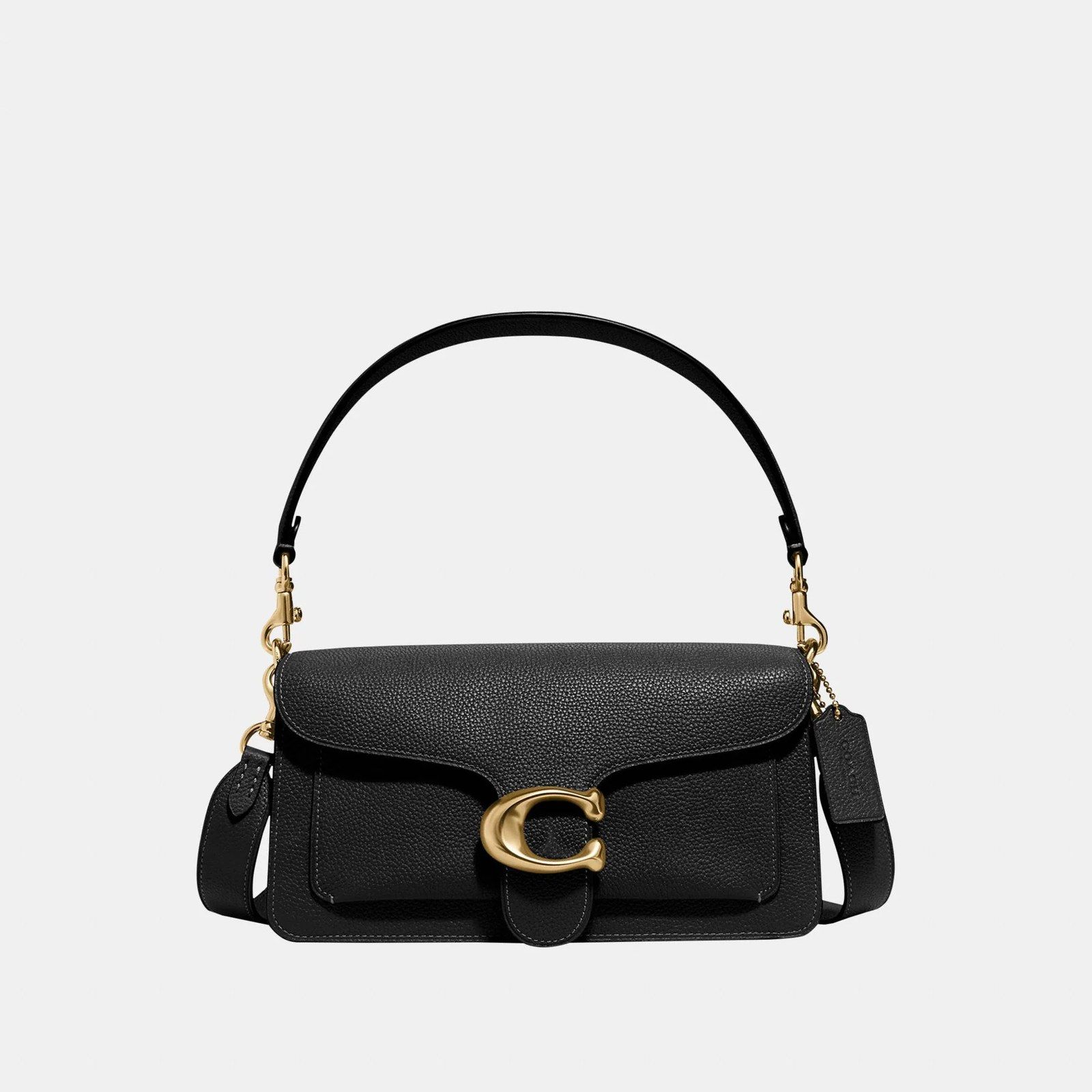 Tabby Shoulder Bag 26 (Black)PKR 53,350
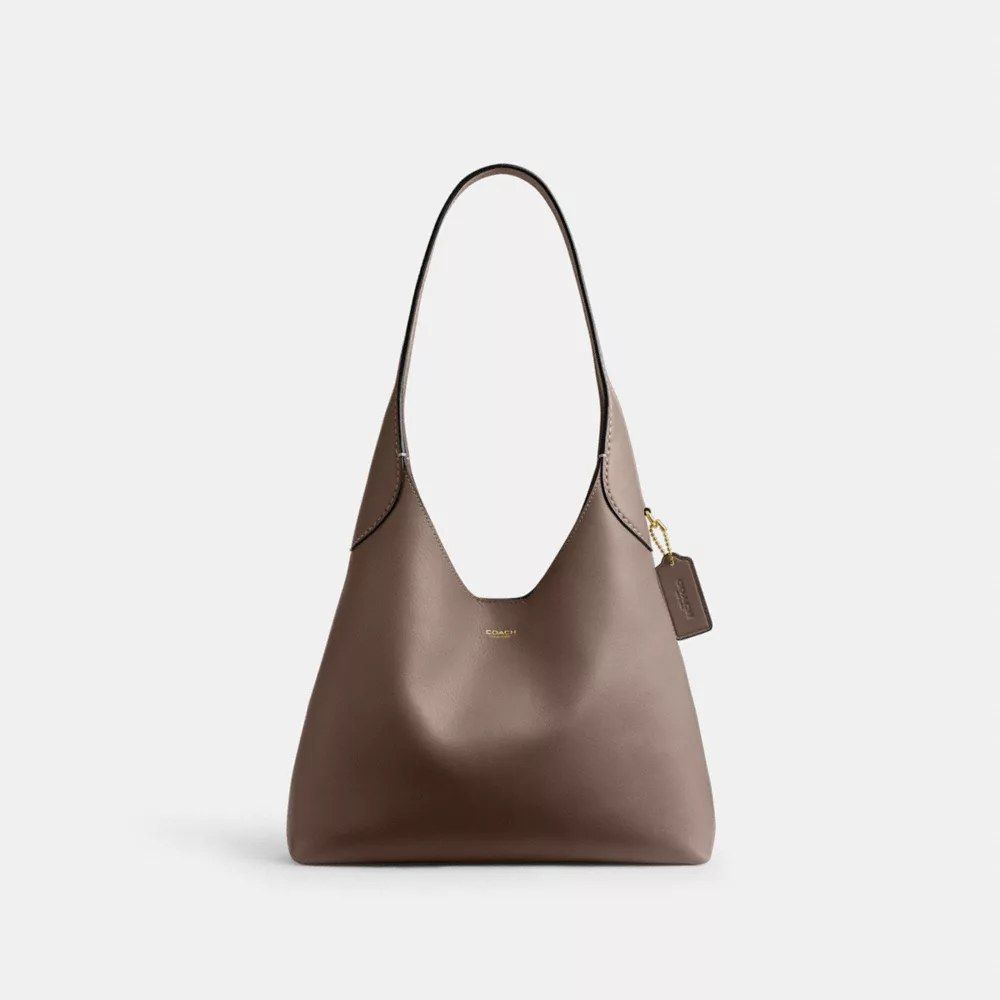 Brooklyn Shoulder Bag 28 (Dark Stone)PKR 67,900
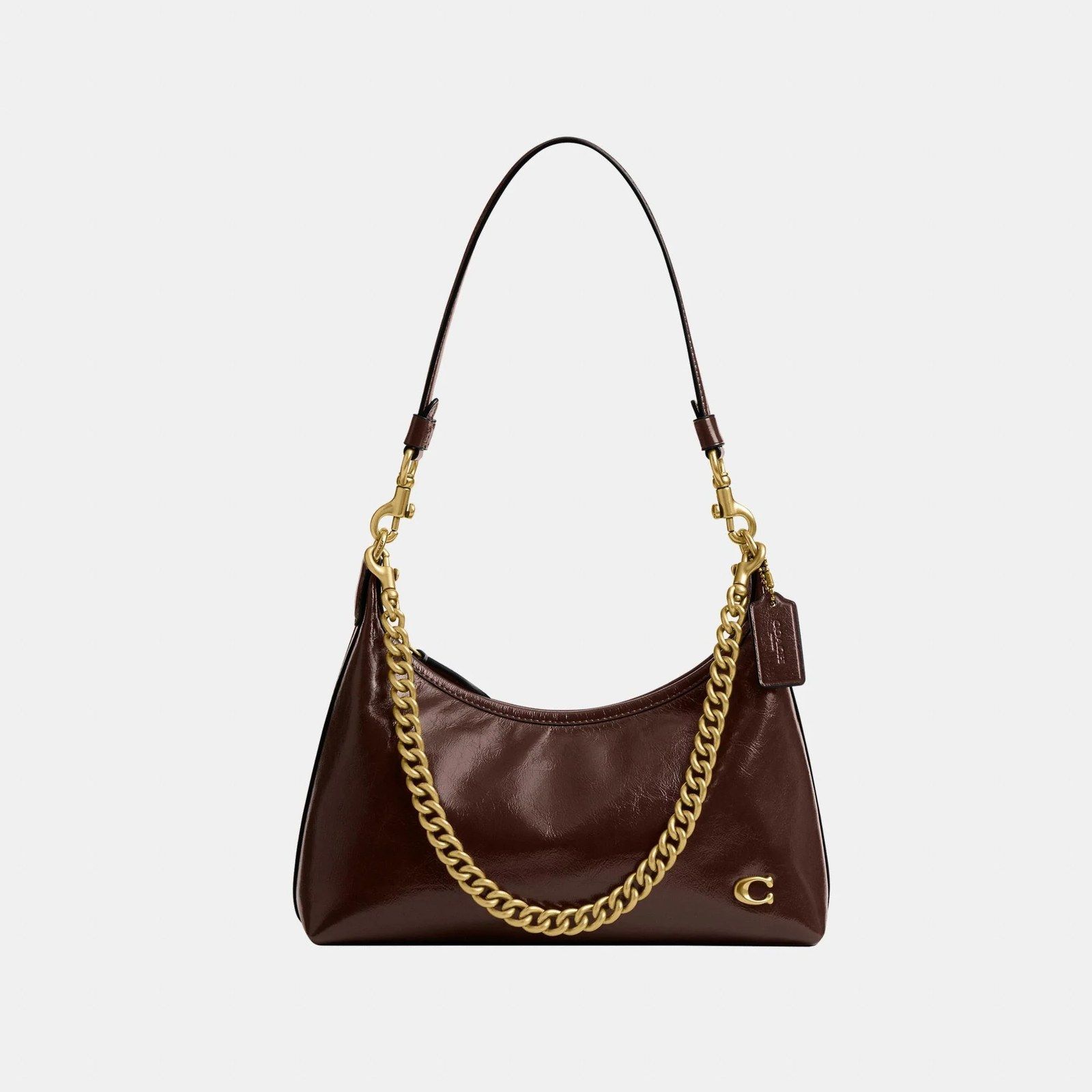 Juliet Shoulder Bag 25 (Maple)PKR 56,260
Michael Kors and its outlets
Michael Kors works on three levels, and understanding them explains its outlets.
- Michael Kors Collection is the designer's top line: runway clothes and the most expensive bags, made in Italy.
- MICHAEL Michael Kors is the main accessible line, the one most people know: the Jet Set, the logo prints, the watches. It's sold in Michael Kors stores, department stores and online.
- Michael Kors outlet stores sell a mix of past-season MICHAEL Michael Kors pieces and products made for the outlet.
The price tag case
In 2015 Michael Kors agreed to pay about US$4.9 million to settle a class action in a New York federal court. Shoppers had accused the company of creating an illusion of deep discounts in its outlet stores by printing a "manufacturer's suggested retail price" (MSRP) on tags next to a lower "our price", when the products had been made exclusively for the outlets and had never been sold at the higher price.
As part of the settlement, Michael Kors agreed to replace "MSRP" with "Value" on its outlet tags and to put up signs in its outlet stores explaining what that term means, or to stop using reference prices on made-for-outlet products. The company settled without admitting wrongdoing, which is common in such cases. But the case confirmed, on the record, that Michael Kors outlets sold products made exclusively for them.
What it means for buyers
A Michael Kors bag from an official Michael Kors outlet is genuine. The things to remember are that it may be a made-for-outlet design rather than a past-season boutique bag, and that the "value" price on its tag isn't a price anyone necessarily paid. Judge it on its own materials and construction, not on the size of the discount.
Tory Burch and its outlets
Tory Burch, founded in New York in 2004, also runs outlet stores alongside its boutiques, and it too sells a mix of past-season items and products made for the outlet.
The clearest public example comes from Consumers' Checkbook's investigation of outlet stores. It found Tory Burch ballet flats in outlet stores with plastic soles, priced at about US$120, while the full-price boutique versions had leather soles and cost US$220 or more. Same name, same logo, different shoe.
Shoppers who know the brand well also report logo and design differences between outlet and boutique bags, with some outlet collections using larger or differently styled versions of the Double T. Treat those as clues rather than rules, since designs change every season.
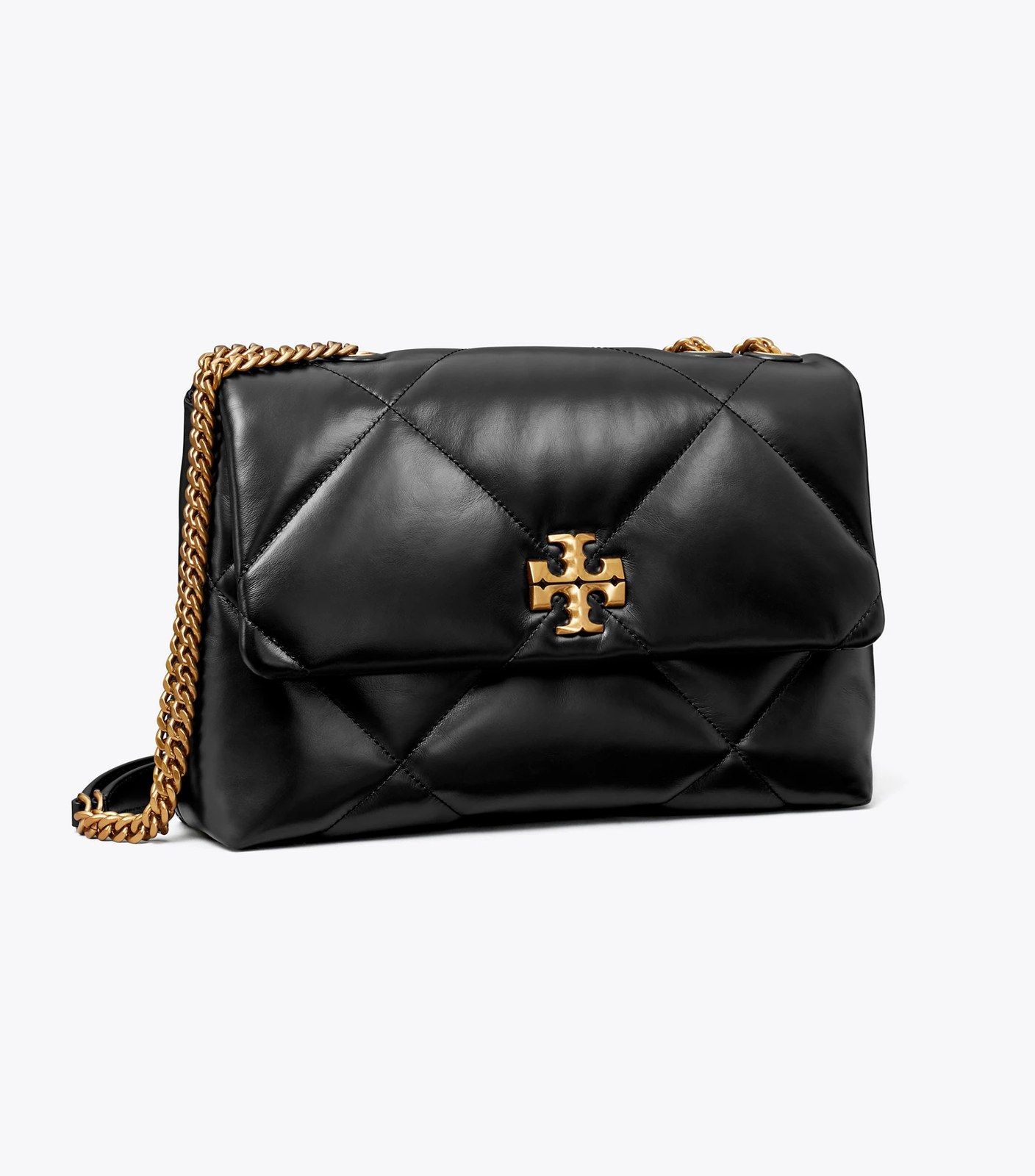
Tory Burch's best-known boutique bags, the Kira, the Fleming, the Eleanor and the Charlie, are main-collection designs.
Kira Diamond Quilt Shoulder Bag (Black)PKR 76,630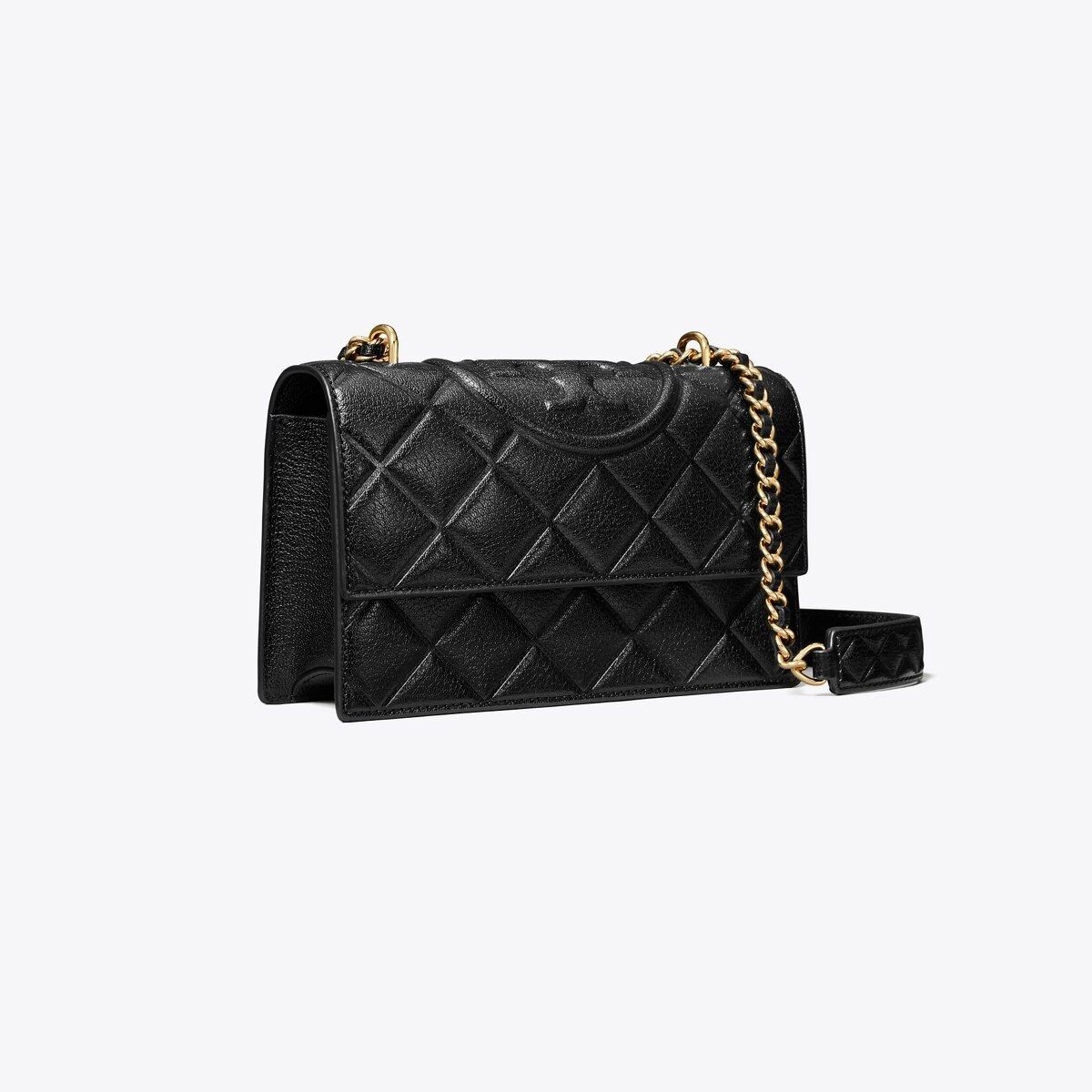 Small Fleming Shoulder Bag (Black)PKR 77,600
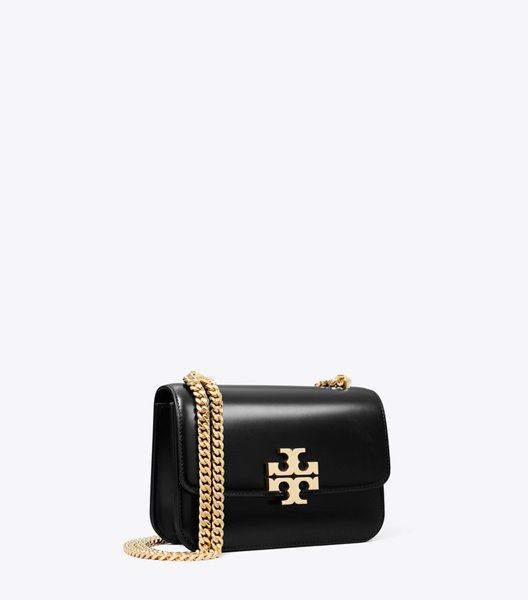 Eleanor Small Convertible Shoulder BagPKR 77,600
Kate Spade, a useful comparison
Kate Spade is owned by Tapestry, the same company as Coach, and it runs a large outlet business too. Checkbook found a labelling difference there as well: outlet pieces it examined carried a spade-shaped logo over the brand name, while full-price pieces used a rectangular "Kate Spade" label. We mention it because it shows the pattern isn't unique to one brand. Many fashion companies mark their outlet lines in small ways that insiders recognise and most shoppers never notice.
Off-price stores: TJ Maxx, Marshalls and Nordstrom Rack
Outlet stores are run by the brand. Off-price stores are different: they're independent chains such as TJ Maxx, Marshalls and Nordstrom Rack that buy branded goods from many sources and sell them at a discount. Many people in Pakistan receive bags bought there by relatives in America, so it's worth knowing how they work.
Off-price buyers acquire stock in several ways: manufacturers' overruns (when a brand makes more than it sells), end-of-season leftovers, cancelled department-store orders, closeouts when a line is discontinued, and buys from authorised stockists. Those are genuine, full-line goods, sold through a route the brand doesn't control. But fashion writers and investigators have also reported that many items in off-price stores are made specifically for that market, just as outlet goods are made for outlets: designed to sell at a set price point, under the same brand name.
So a Coach or Michael Kors bag from TJ Maxx is generally genuine, and lawsuits from brands accusing these big chains of selling counterfeits are notably absent. But, as with outlets, it may be a made-for-off-price design rather than a boutique bag, and its "compare at" price deserves the same scepticism. The checks below work the same way.
Grey market and parallel imports
There's a third route that matters in Pakistan: the grey market, also called parallel importing. A grey-market product is genuine, made by the brand, but sold through a channel the brand didn't authorise, often by being bought in one country and resold in another. It is not the same as a counterfeit, and in many countries it's legal.
The catch is what you don't get. Brands usually honour warranties, repairs and after-sales service only for goods bought through their authorised channels, and grey-market goods may arrive without the original receipts, cards or packaging that prove their origin. For a bag, that mainly affects repairs and resale. For a watch, where a warranty card matters, it can matter a great deal.
When someone offers you a genuine bag at a price well below the authorised price, ask yourself which of these it is: a made-for-outlet design, an off-price buy, a grey-market import or a copy. The first three are genuine; only one of them is the bag in the brand's own boutique.
Factory rejects and seconds: why they don't flood the market
Some sellers explain low prices by saying a bag is a "factory reject" or a "second": a genuine bag with a small flaw, sold off cheaply. Genuine seconds exist, but they almost never reach the open market in quantity, and a public controversy shows why.
In October 2021, a TikTok video by the environmental activist Anna Sacks showed Coach bags that had been deliberately slashed so they couldn't be used, and said this was the fate of damaged and unsellable goods returned to stores. The video spread widely and Coach responded within days. It said it had stopped destroying in-store returns of damaged and unsellable goods, and that it would instead repurpose, recycle and reuse them through its own repair and reuse programme. Coach denied claiming any tax benefit from the practice.
Whatever you think of the old policy, it tells you something useful: brands go to considerable lengths to stop their damaged goods from being resold. Today those goods go into Coach's own programmes rather than to street sellers. So when a seller in Pakistan offers you a stack of new Coach "factory rejects", you are almost certainly looking at copies.
Coach (Re)Loved: the official second life
Coach does now sell restored and remade bags, openly, through Coach (Re)Loved, a programme it introduced in 2021. It includes restored pre-owned bags, upcrafted and remade pieces built from old bags and materials, vintage Coach, and a trade-in scheme that gives customers store credit for their old Coach bags. Coach also trains craftspeople through an apprenticeship programme to do this work.
(Re)Loved pieces are clearly labelled as restored or remade, sold by Coach itself, and priced accordingly. They're a genuine, honest way to buy a pre-owned or upcycled Coach, and they're the opposite of the vague "it's from the factory" story.
A worked example: does the "outlet" price make sense?
Let's put numbers on the price maths, using round illustrative figures rather than any real product. Say a bag sells for US$150 in an American outlet store. To reach a buyer in Pakistan it has to be:
- Bought: US$150, plus any American sales tax.
- Shipped: international courier costs for a boxed handbag add a meaningful amount, especially with insurance.
- Cleared through customs: duties and taxes on imported handbags add a further share of the value.
- Resold: the seller needs a margin for their time, risk and the stock that doesn't sell.
Once all four are added and converted to rupees, the bag costs far more than US$150 at today's exchange rate. If an "outlet" bag is offered in Pakistan for less than its outlet price in dollars, converted at the current rate, there's no way to make that sum work for a genuine bag. And if the price is close to what a full-price boutique bag costs here, you're paying full price for the simpler outlet version.
Outlet vs full price, side by side
| Full-price (boutique) line | Made-for-outlet line | |
|---|---|---|
| Is it genuine? | Yes | Yes, from an official outlet |
| Where it's sold | Brand boutiques, brand website, department stores, authorised retailers | Brand outlet stores and outlet websites |
| Design | The season's collection and the brand's signature bags | Outlet-only styles and simplified versions |
| Materials | Wider range, including finer leathers | Leans on canvas, crossgrain and textured leathers |
| Details | More hand-finishing, rolled handles, more pockets | Simpler finishes, flatter handles, fewer extras |
| Price tag | The actual price | Often shows a "value" or "compare at" price it never sold at |
| Longevity | Usually longer, especially in fine leathers | Often good, but varies more by product |
| Resale value | Holds value better, especially signature bags | Lower; buyers know outlet styles |
| As a gift | Unambiguous | Fine, but brand fans may spot it |
How to tell whether a bag is outlet or full price
You can't always be certain from photos, but these checks together give a good answer.
- Search the name. Look the bag's exact name up on the brand's main website. If it appears in the main collection, it's a main-line design. If it only appears on the outlet website, or in an "Outlet" section of the main site (coach.com now has one, where it sells outlet lines such as the Teri), it was made for the outlet.
- Check the style number. Find the style number on the inside tag and search it. Main-line style numbers lead to the brand's own product pages; older Coach numbers starting with F point to factory production.
- Look at the logo and hardware. Compare them with photos of the same bag on the brand's main site. Outlet-specific logo treatments are a common difference.
- Feel the materials and handles. Flat, edge-painted handles and stiff, coated materials are common on outlet lines. Rolled handles and supple leathers are more common on full-price bags.
- Read the price tag, if there is one. "Value", "compare at" and "MSRP" printed next to a lower price are typical outlet tags.
- Ask where it was bought. A receipt from a full-price boutique or brand website settles it. "From the outlet" without a store name settles nothing.
Is an outlet bag worth it?
Often, yes. It depends on what you want the bag for.
When outlet makes sense
- You want a practical everyday bag and you care more about the brand name and a fair price than about fine leather. Many outlet canvas bags are tough and useful.
- You're buying for a teenager or a first bag, where it will be used hard and outgrown.
- You're in the United States or another country with outlet stores, buying directly from the official outlet, at the real outlet price.
When full price is better
- You want the bag everyone recognises. The Tabby, the Kira and the Jet Set's best-known versions are main-line bags.
- You want it to last for years in good leather, or to resell it later. Full-price designs in fine leathers hold their value better.
- It's a gift for someone who knows the brand. Brand fans often recognise outlet styles.
- You're paying an imported price. Once shipping, customs and a reseller's margin are added, an outlet bag can cost almost as much in Pakistan as a full-price one. At that point the full-price bag is the better buy.
Why outlet prices feel so good
It's worth understanding why outlet shopping is so persuasive, because the same tricks are used by sellers everywhere.
The most powerful is the reference price. When a tag shows a high "value" price crossed out next to a lower one, your brain treats the higher number as the bag's true worth and the lower number as a gift. Psychologists call it anchoring: the first number you see sets the frame for every number after it. On a made-for-outlet product, that first number was chosen by the seller, not set by the market.
The second is scarcity and urgency: "extra 30% off today only", "final clearance", the feeling that the deal will vanish if you think about it overnight. Real clearance exists, but permanent outlet stores run some version of a sale nearly all the time.
The third is the brand halo. A logo you trust makes the whole product feel trustworthy, so it's easy to stop checking the materials and construction you'd examine closely on an unbranded bag.
None of this makes outlet bags bad buys. It just means the right question isn't "how much am I saving?" but "is this bag worth this price to me, compared with the alternatives?" Ask that, and outlet shopping becomes a tool rather than a trap.
If you're shopping at an outlet yourself
If you or a relative are visiting an official outlet in America or elsewhere, a few habits get you the best of it.
- Keep the brand's main website open on your phone. Search each bag's name. Past-season boutique pieces, the genuine leftovers, are the best value in the store, and they're usually there in small numbers.
- Feel before you fall for it. Compare the leather, the handles, the lining and the weight of the hardware with a full-price bag if you can. Choose the outlet pieces that are honestly well made, which is often the canvas and coated styles built for daily use.
- Ignore the "value" price. Decide what the bag is worth to you, then see if the outlet price is below it.
- Check the return policy. Final-sale and clearance items often can't be returned, which matters if you're buying a gift.
- Keep the receipt and the tags. They're your proof of origin later, for resale or if anyone questions it.
Spotting a copy that's sold as "outlet"
The most expensive mistake isn't buying an outlet bag. It's paying for a genuine outlet bag and receiving a copy. These checks catch most copies, whatever the brand.
- Weight and hardware. Genuine hardware is solid metal with clean, crisp engraving of the brand name. Copies often use lighter alloys with soft or blurry lettering, and the plating can bubble or rub off quickly.
- Stitching. Real stitching is small, even and straight, with the same spacing throughout and no loose threads. Uneven, wide or crooked stitches are the clearest sign of a copy.
- Edges. On leather bags, the painted edges should be smooth and uniform. Thick, lumpy or cracked edge paint suggests a copy.
- Logo patterns. On monogram canvas (Coach's Signature C, Michael Kors's MK, Tory Burch's T Monogram), the pattern should be crisp, evenly spaced and sensibly aligned at the seams. Smudged, irregular or awkwardly cut-off logos are warning signs.
- Tags and labels. Inside tags should be neatly stitched, with clean printing and a style number that matches the bag's name on the brand's website.
- Smell. New genuine leather smells of leather. A strong chemical or plastic smell often means synthetic materials.
- The whole package. Copies are increasingly sold with convincing boxes, dust bags and cards, so packaging alone proves nothing. Focus on the bag itself.
Buying "outlet" bags in Pakistan
Outlet bags reach Pakistan in a few ways: people bring them back from trips to America, family abroad send them, and Instagram and WhatsApp sellers import them to resell. Many of these are genuine outlet bags, honestly sold. But the word "outlet" is also used to sell copies, because it explains away a low price and any small differences a buyer might notice.
Here's how to protect yourself.
Do the price maths
A genuine outlet bag has a real cost: the outlet price in dollars, international shipping, customs duty and taxes, and the seller's margin. If the price you're offered is below what that adds up to, something doesn't add up. A brand-new "outlet" Coach at a quarter of the boutique price, sold in Pakistan, is very unlikely to be genuine.
Ask the right questions
- Which outlet, in which city? A genuine reseller knows exactly where they bought it.
- Is there a receipt? Official outlets give receipts with the store name and the item.
- What's the style number? Then search it yourself.
- Can you see the bag on video, in daylight, showing the tag, the hardware engraving, the stitching and the inside?
Know the code words
"Master copy", "first copy", "AAA", "mirror quality", "export surplus" and "factory reject" describe copies, not genuine bags. Genuine factory rejects from Coach, Michael Kors or Tory Burch don't reach the open market in bulk. "Outlet" on its own isn't a code word, but treat it as a claim that needs proof.
What we sell, and why
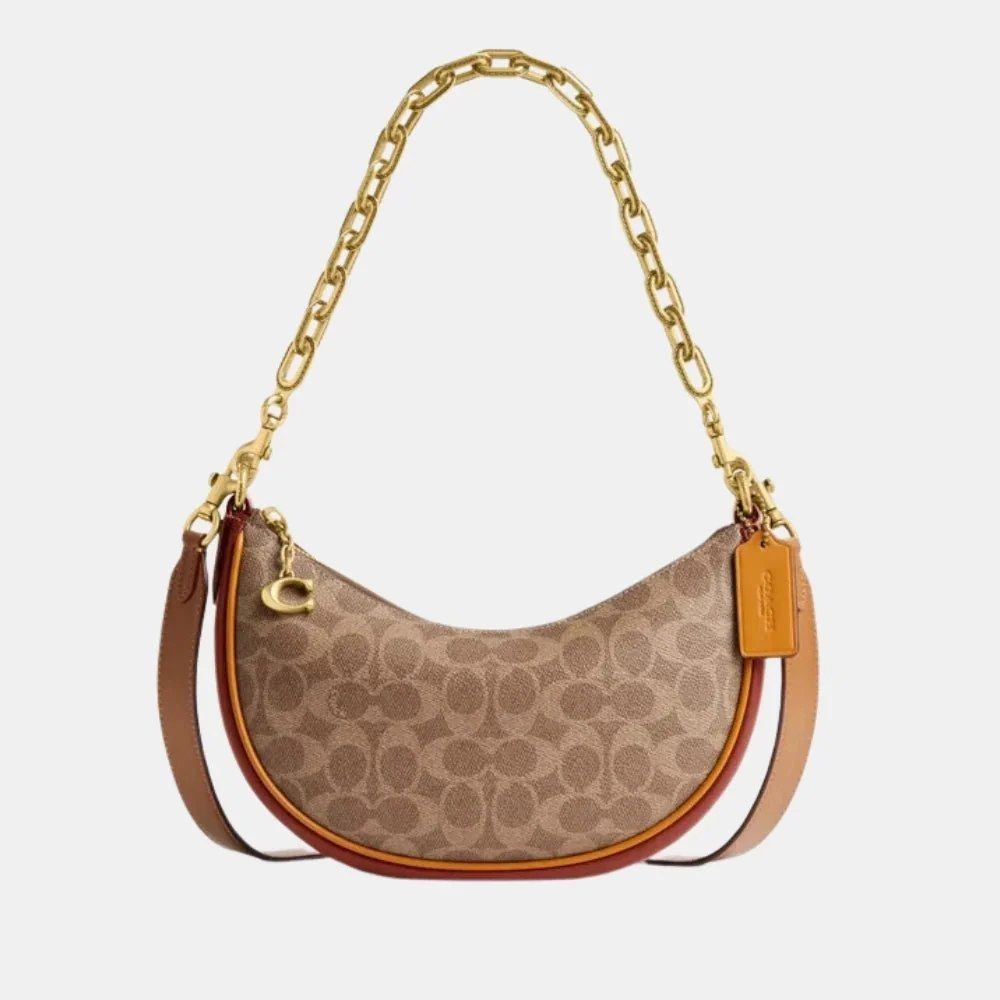
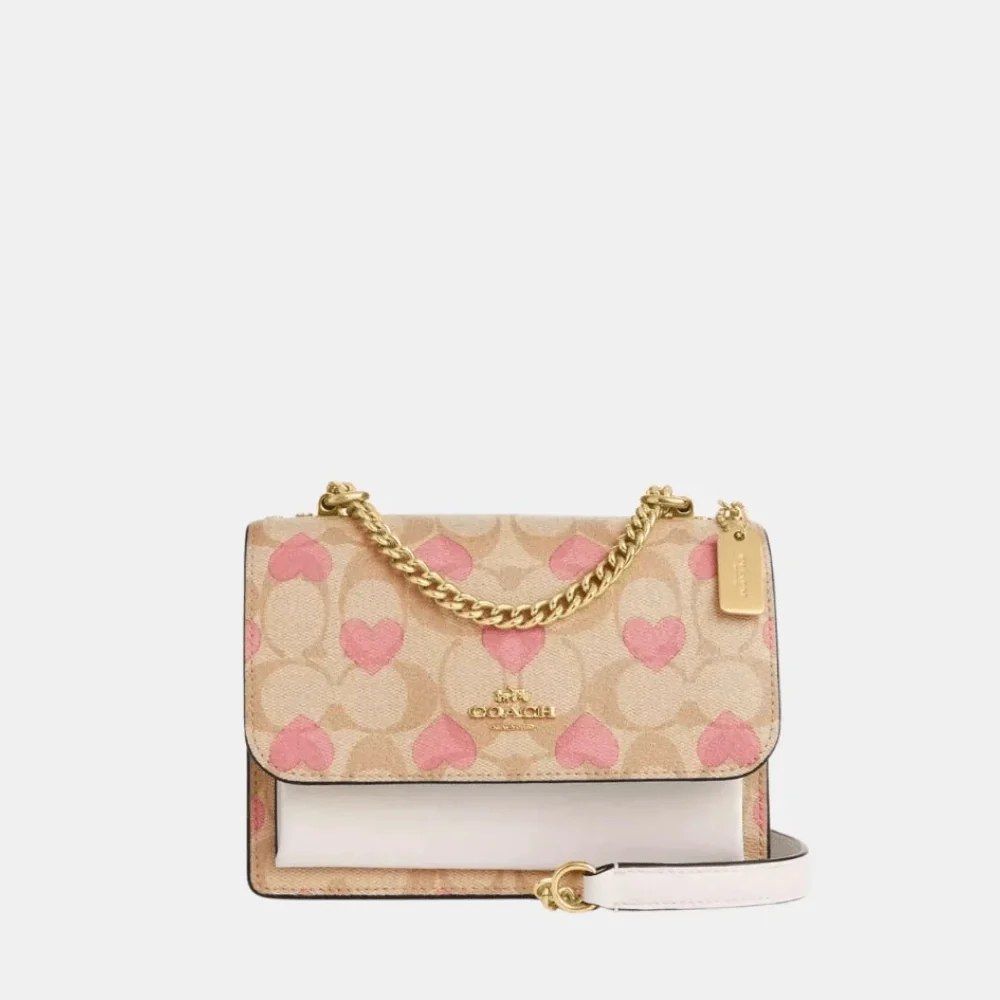
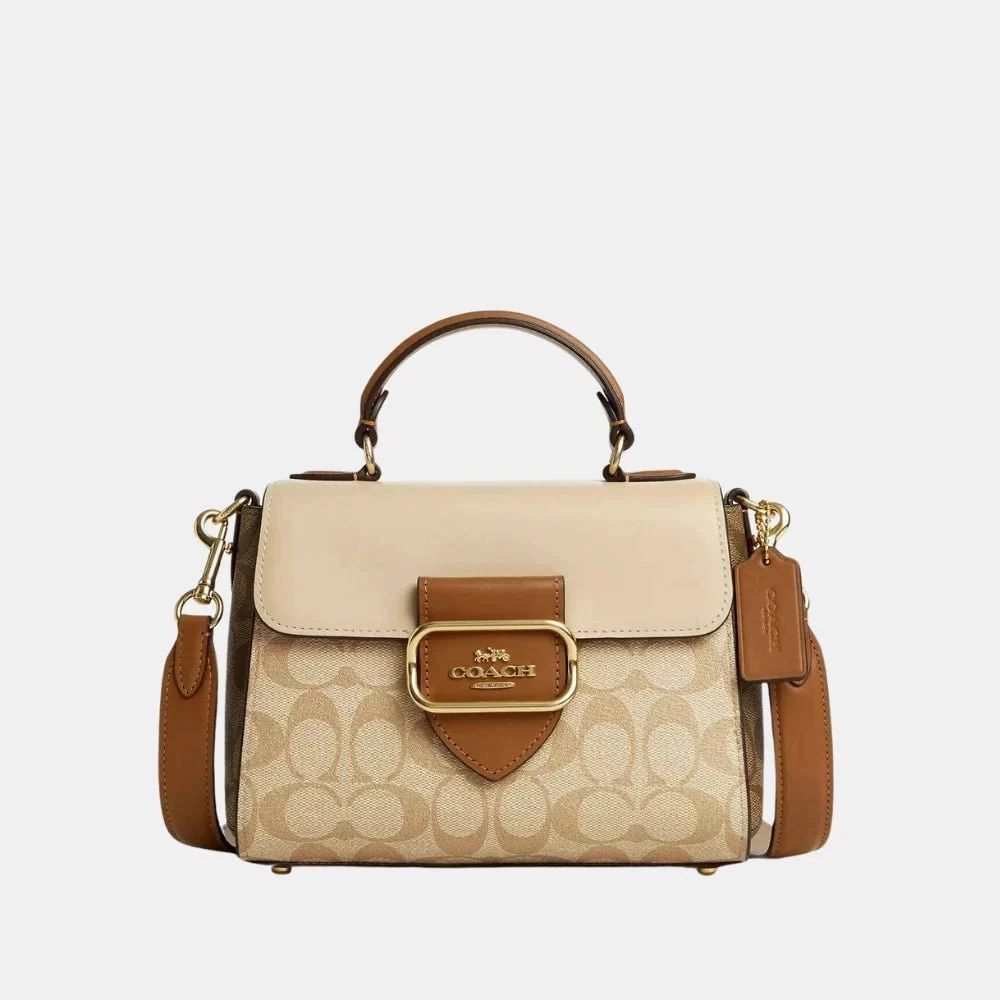
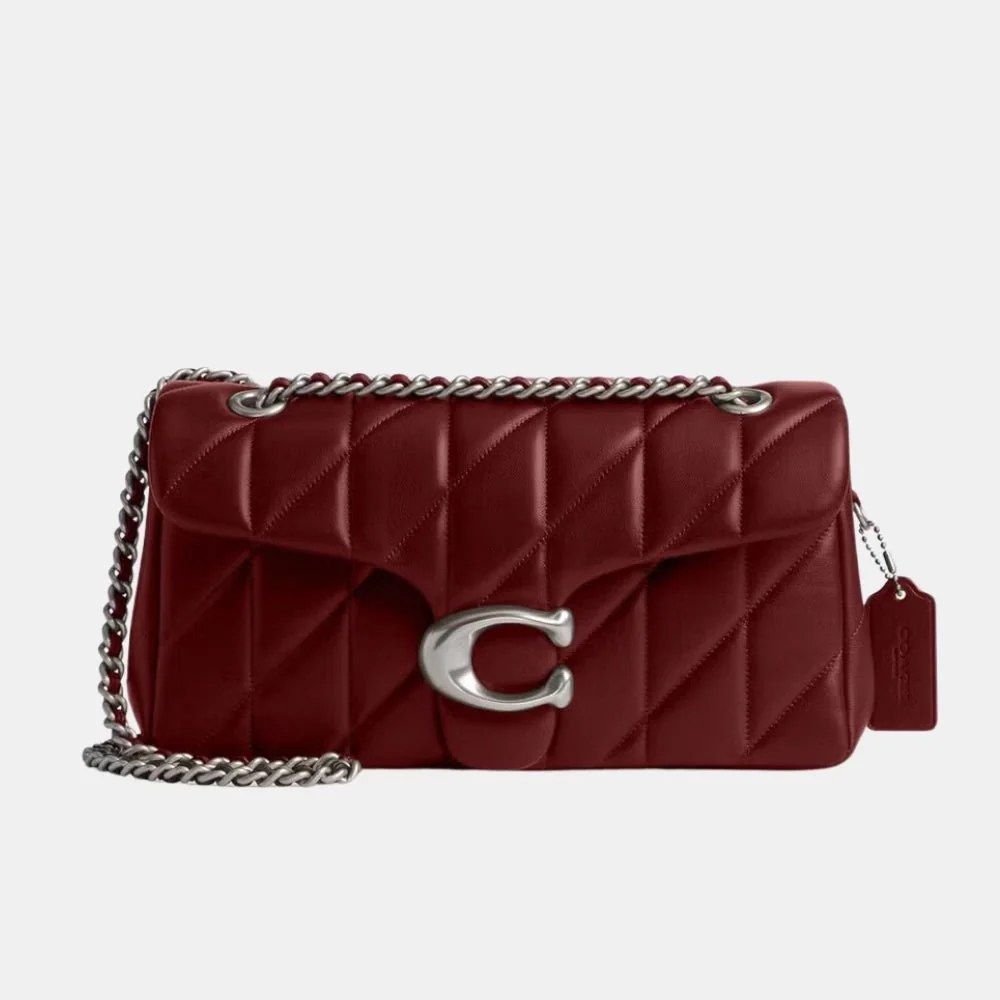
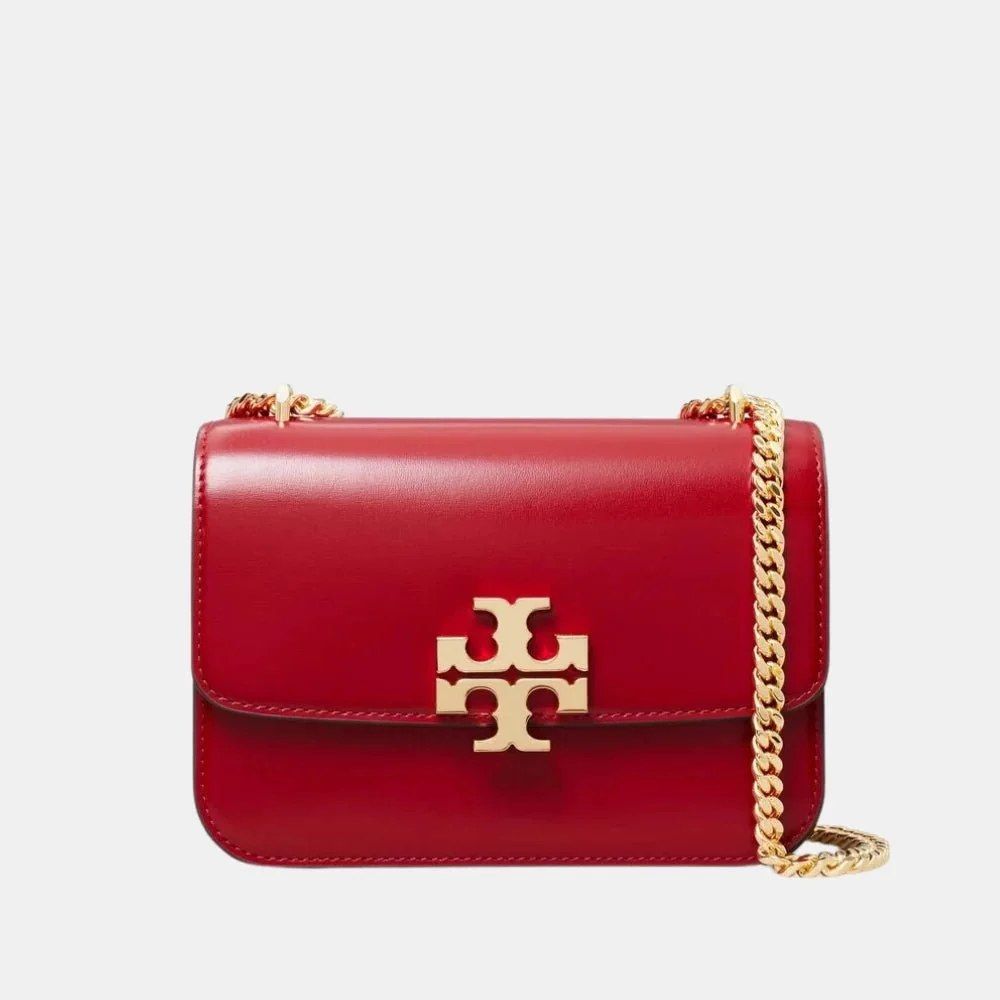
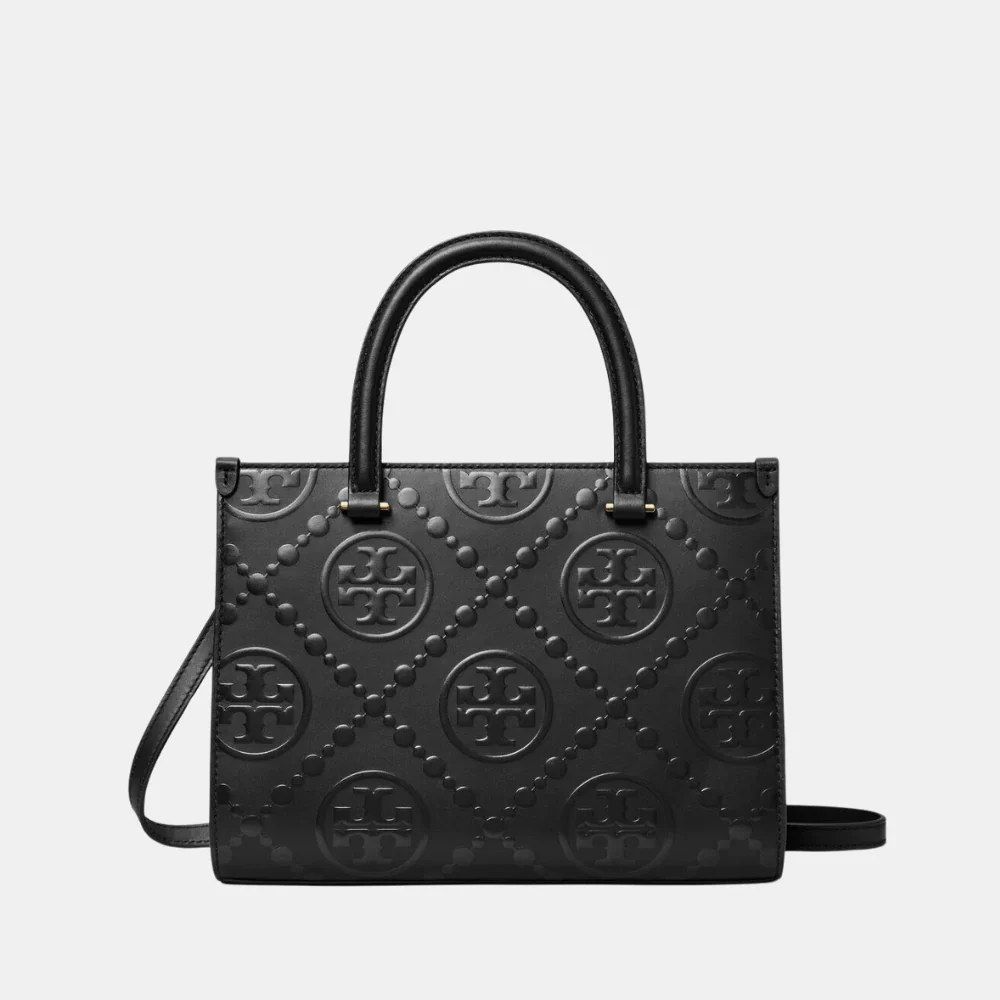
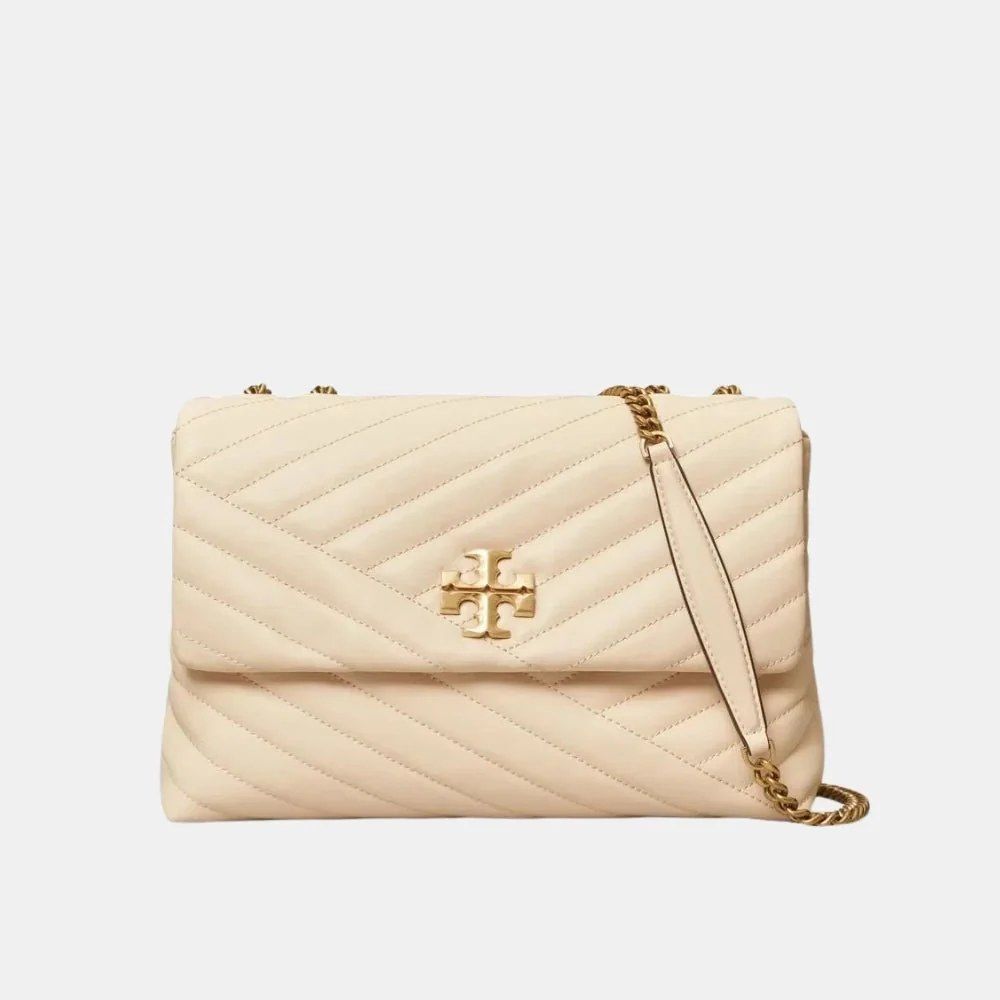
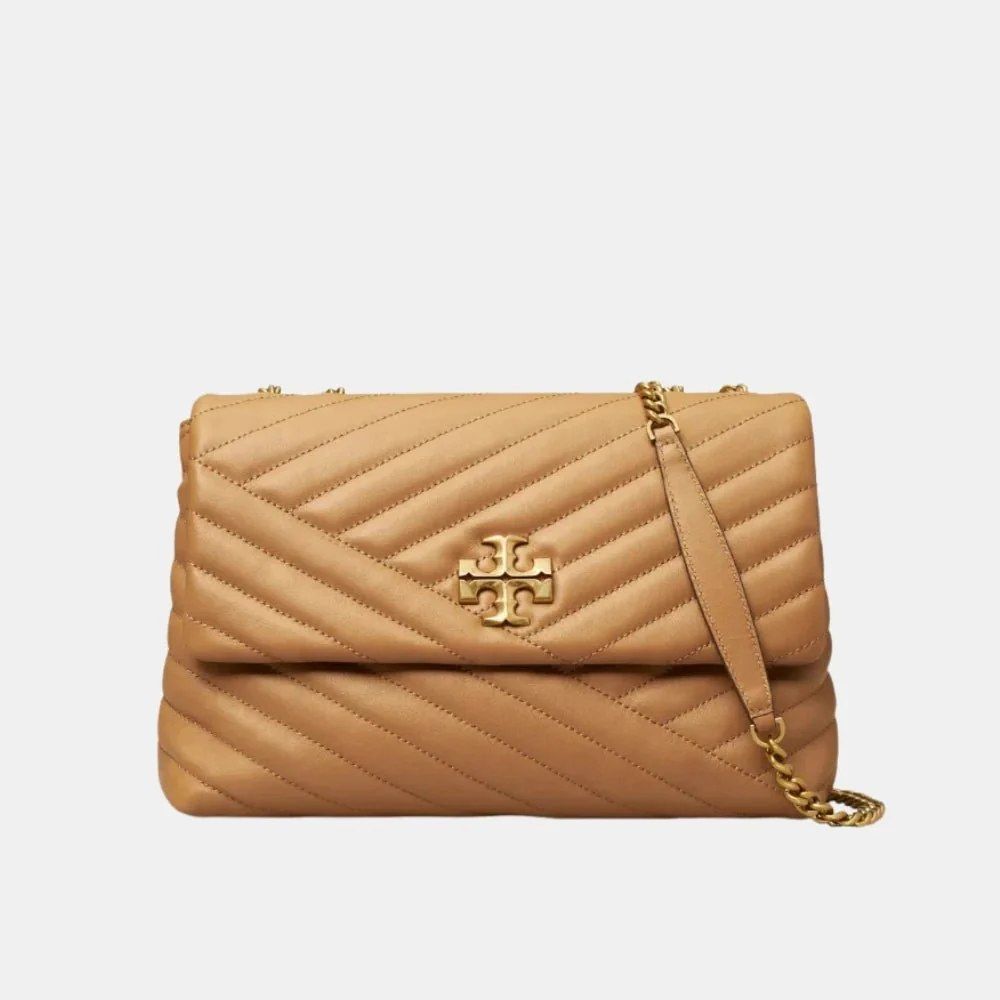
We sell both kinds of genuine bag, and we think you should know which is which. Our Coach range includes full-price boutique designs, such as the Tabby, and designs made for Coach Outlet, such as the Teri. Both are genuine Coach, sold through Coach's own channels. They're different lines at different prices, and everything this guide says about outlet bags applies to ours too.
If it matters to you whether a piece is a full-price or an outlet design, use the steps above to check its name on coach.com, where outlet lines sit in a separate Outlet section, or ask us before you order.
We buy from official retailers, check every piece by hand (stitching, hardware, tags and packaging) and video-record it before it ships. Pieces marked "Sourced to order" are bought for you from an official retailer after you order. And we never print a made-up "was" price: the price you see is the price.
Your options in Pakistan, compared
If you live in Pakistan and want a Coach, Michael Kors or Tory Burch bag, these are the realistic routes, with what each gives you.
| Route | What you usually get | Proof of origin | Main risk |
|---|---|---|---|
| A relative buys at a US outlet | Genuine, mostly made-for-outlet designs | Their receipt | Simpler line; returns are hard from abroad |
| A relative buys at a boutique or brand website | Genuine main-line bags | Receipt and packaging | Paying for shipping and waiting for a trip |
| Instagram or WhatsApp "outlet" seller | Anything from genuine outlet to copies | Often none | Copies sold as outlet; no recourse |
| A local shop that sources from official retailers | Genuine bags, full-price or outlet | The shop's guarantee and records | Choose a shop that shows its checks |
The first two routes are excellent when you have someone travelling and you know exactly what you're getting. The third is where most problems happen, because the buyer carries all the risk. The fourth is what we do, and what we'd ask you to judge us on: genuine pieces from full-price and outlet lines, bought from official retailers, checked and filmed before they ship, with delivery free across Pakistan.
Whichever route you choose, make the decision with your eyes open. A made-for-outlet bag at a fair outlet price is a sensible buy. A made-for-outlet bag at a boutique price, or a copy at any price, is not.
A quick checklist before you buy
- Is the bag's name on the brand's main website, or only on the outlet site?
- Does the style number lead back to that exact bag?
- Do the logo, hardware and materials match the main-site photos?
- Is there a "value" or "compare at" price on the tag?
- Can the seller name the store and show a receipt?
- Does the price make sense once shipping, duty and margin are added?
- Will the seller show you the bag on video, inside and out?
If the answers are clear, you can buy with confidence, outlet or full price. If they're vague, walk away.
Frequently asked questions
Are Coach Outlet bags real?
Yes. Bags from official Coach Outlet stores and Coach's outlet website are genuine Coach. Most are made specifically for the outlet, so they're simpler designs than the bags in Coach's full-price boutiques, often in different materials, but they are real Coach products.
What does "made for outlet" mean?
It means the product was designed and manufactured to be sold in the brand's outlet stores, rather than being leftover stock from the full-price boutiques. Analysts have estimated that 80 to 85 percent of outlet-store merchandise is made this way.
Is Coach Outlet lower quality than Coach?
It's generally simpler. Coach itself has said its outlet product "tends to be less embellished", and comparisons have found fewer fine details, flatter handles and more use of hard-wearing coated materials. Many outlet bags are durable and well made; they're just not the same as the full-price line.
Is the Michael Kors outlet real?
Yes, official Michael Kors outlet stores sell genuine Michael Kors products, including pieces made exclusively for the outlets. In 2015 Michael Kors settled a US class action over outlet price tags that showed suggested retail prices for products that were made only for its outlets.
Are Tory Burch outlet bags the same as in the boutique?
Not usually. Tory Burch outlets sell a mix of past-season pieces and made-for-outlet products. A consumer investigation found outlet Tory Burch flats with plastic soles where the boutique versions had leather soles.
How can I tell if my Coach bag is from the outlet?
Search the bag's name and style number on coach.com. If it's only on the outlet website, it's an outlet design. Older Coach style numbers beginning with F indicate bags made for factory outlets. Logo style, materials and handle finish are further clues.
Is the Coach Tabby sold at the outlet?
The Tabby is a full-price Coach design from its main collection. Outlet stores may carry Tabby-inspired outlet styles, but a deeply discounted "Tabby from the outlet" deserves careful checking.
Do outlet bags hold their value?
Less well than full-price bags. Resale buyers recognise outlet styles and pay less for them. Full-price signature designs in good leather hold their value best.
Are ULVARE's bags outlet bags?
Some are, and we say so. Our Coach range mixes full-price designs, like the Tabby, with designs made for Coach Outlet, like the Teri. Both are genuine Coach. Every piece is bought from official retailers, checked by hand and video-recorded before it ships. The steps in this guide show which line a bag belongs to, or you can ask us.
Is the Coach Outlet website official?
Yes. Coach runs its own outlet website alongside coach.com, and it sells genuine Coach Outlet products. Be careful with look-alike websites using "Coach outlet" in their names and offering huge discounts: many are fraudulent. Reach the official sites through coach.com rather than through ads or social media links.
What is the difference between an outlet and an off-price store?
An outlet store is run by the brand itself and sells its leftovers and made-for-outlet products. An off-price store, such as TJ Maxx, Marshalls or Nordstrom Rack, is an independent retailer that buys branded goods from many sources, including overstock and some products made for the off-price market.
What does "master copy" or "first copy" mean?
They're terms for copies (counterfeits) made to look like a branded bag. They are not made by the brand. "AAA", "mirror quality" and "export surplus" are used the same way.
Sources
- Consumers' Checkbook, Outlet stores: what do they really sell?
- Senator Sheldon Whitehouse, Sens. and Rep. to FTC: outlet stores may be misleading consumers (30 January 2014)
- Bloomberg Law, Michael Kors settles class action for $4.9M; retailer to change outlet pricing practices
- The Fashion Law, "Deceptive" outlet pricing lawsuit costs Michael Kors nearly $5 million
- NBC DFW and Consumer Reports, The real deal on outlet stores
- PurseBlog Forum, Coach store vs factory outlet
- CNN Style via KTVZ, Luxury brand Coach will stop destroying unwanted goods following TikTok outrage (October 2021)
- Refinery29, Coach's new upcycled bags: Coach (Re)Loved (April 2021)
- The Fashion Law, New Gucci bags at Marshalls, Céline at T.J. Maxx: is that legal?
- Australian Competition and Consumer Commission, Buying parallel imports